Understanding Spinal Subluxations: Key Features and What They Mean for Your Health
Image
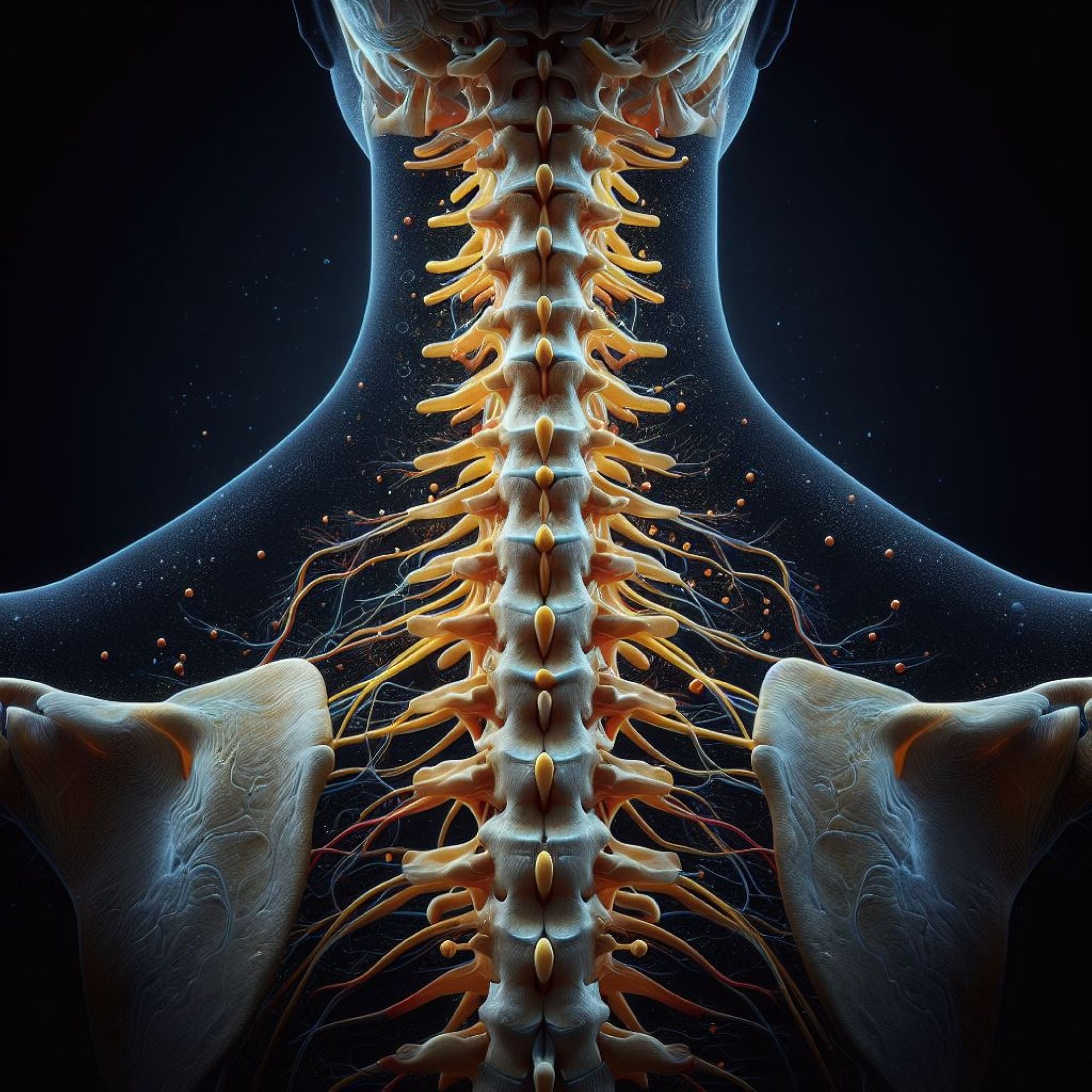

When a vertebra in your spine stops functioning properly, this misalignment is called a spinal subluxation in chiropractic care. Subluxations can lead to a range of health issues, from pain to restricted movement and even impacting organ function. The severity of the subluxation typically depends on the number of features present. The more features that are present, the more significant the subluxation, and the longer it may take to correct.
In this article, we’ll explore 12 key features of spinal subluxations and how they can impact your overall health. By understanding these features, you can better appreciate the role chiropractic care plays in restoring your well-being.
1. Pain: A Primary Symptom
Pain is one of the most common reasons people seek chiropractic care. However, it’s essential to recognize that pain can often be referred or distant from its root cause. In many cases, the actual problem might lie in the spine or nervous system, even though you feel discomfort elsewhere in your body.
2. Inflammation: A Natural Response
Inflammation is the body's first response to injury and is crucial for healing in the acute stages. However, when inflammation becomes chronic, it can lead to ongoing damage and tissue degeneration. This ongoing inflammation can perpetuate pain and discomfort if not addressed.
3. Adhesions: Restricted Movement
Adhesions form in the soft tissues surrounding the vertebrae, including ligaments, tendons, and muscles. These adhesions restrict normal function and lead to compensatory movement patterns. Over time, these patterns can contribute to additional misalignments, pain and system problems.
4. Facet Encroachment: Joint Compression
Each vertebra has facet joints that allow for smooth, controlled movement between the vertebrae. When these joints become compressed, they create facet encroachment, restricting movement and stimulating inflammation in the surrounding tissues. This encroachment can impact nerve function.
5. Edema: Protecting the Body
Edema, or fluid retention, is the body’s way of protecting injured tissues. While edema plays an important role in acute healing, chronic edema can lead to further damage. It impacts the body’s circulatory and elimination systems, contributing to dysfunction in various organs.
6. Taut & Tender Fibers: Trigger Points
The muscles, nerves, and surrounding tissues can develop taut fibers—the familiar knots or trigger points that are often tender to the touch. These fibers can cause localized pain and discomfort and are typically, a result of muscle tension from spinal misalignments.
7. Congestion: A Response to Injury
Congestion refers to the accumulation of fluid in tissues and vessels, which serves as a short-term healing response. However, when congestion becomes chronic, it leads to further damage and compensations. This is one reason chiropractic care can help alleviate conditions like respiratory congestion or digestive issues.
8. Spasms: A Protective Mechanism
Muscle spasms are the body’s protective response to spinal misalignments. They’re often felt as tight, painful contractions in the muscles, and while they can cause significant discomfort, they are symptoms, not the root cause. Once the subluxation is addressed, muscle spasms often subside, leading to relief.
9. Nerve Irritation: The Core of Subluxation
One of the most important features of a spinal subluxation is nerve irritation. The pressure or misalignment on nerves can disrupt normal nerve function, leading to pain, inflammation, and reduced nerve communication to the entire body. Left untreated, nerve irritation can result in long-term neurological dysfunction.
10. Asymmetry: Imbalance in the Body
Subluxations often lead to asymmetry in the body, where one side is noticeably different from the other. This might manifest as a shortened leg, a tilted head, or uneven shoulders. Over time, these imbalances can worsen and lead to chronic pain and body dysfunction.
11. Hypertonicity: Tight Muscles
In response to chronic spinal pressure, the body may develop hypertonicity, where certain muscle groups become overly tight and rigid. This compensatory mechanism can result in both strong and weak muscle areas, leading to imbalances that cause discomfort and restricted movement.
12. Restricted Range of Motion: Limited Functionality
One of the most noticeable effects of subluxations is a restricted range of motion. When spinal joints and muscles are misaligned, the body becomes less flexible, and everyday movements—like bending, reaching, or stretching—become difficult or painful. This restriction can severely impact your ability to perform daily tasks.
Why Chiropractic Care Can Help
Chiropractic care addresses the root cause of many of these issues by realigning the spine, improving nerve function and promoting overall healing. By restoring proper function to the nervous system, chiropractic adjustments can help reduce inflammation, alleviate pain and restore mobility—allowing your body to heal naturally.
Conclusion: How Spinal Subluxations Impact Your Health
Spinal subluxations can lead to a variety of symptoms and health issues, many of which extend beyond the spine itself. From pain and inflammation to nerve irritation and restricted movement, these features can seriously impact your quality of life. Recognizing the signs of subluxations and seeking chiropractic care early can help prevent long-term damage and promote overall well-being.
Take Action Today
If you’re experiencing any of the symptoms mentioned above, it’s time to consult a chiropractor to discuss how spinal subluxations may be affecting your health. Start your journey toward your full life expression.
© 2019. Aspire Happyness Chiropractic.
All rights reserved. Privacy policy



Website designed, developed & maintained by BahatiGroup