What Structures in the Lower Back Can Cause Pain?
Image
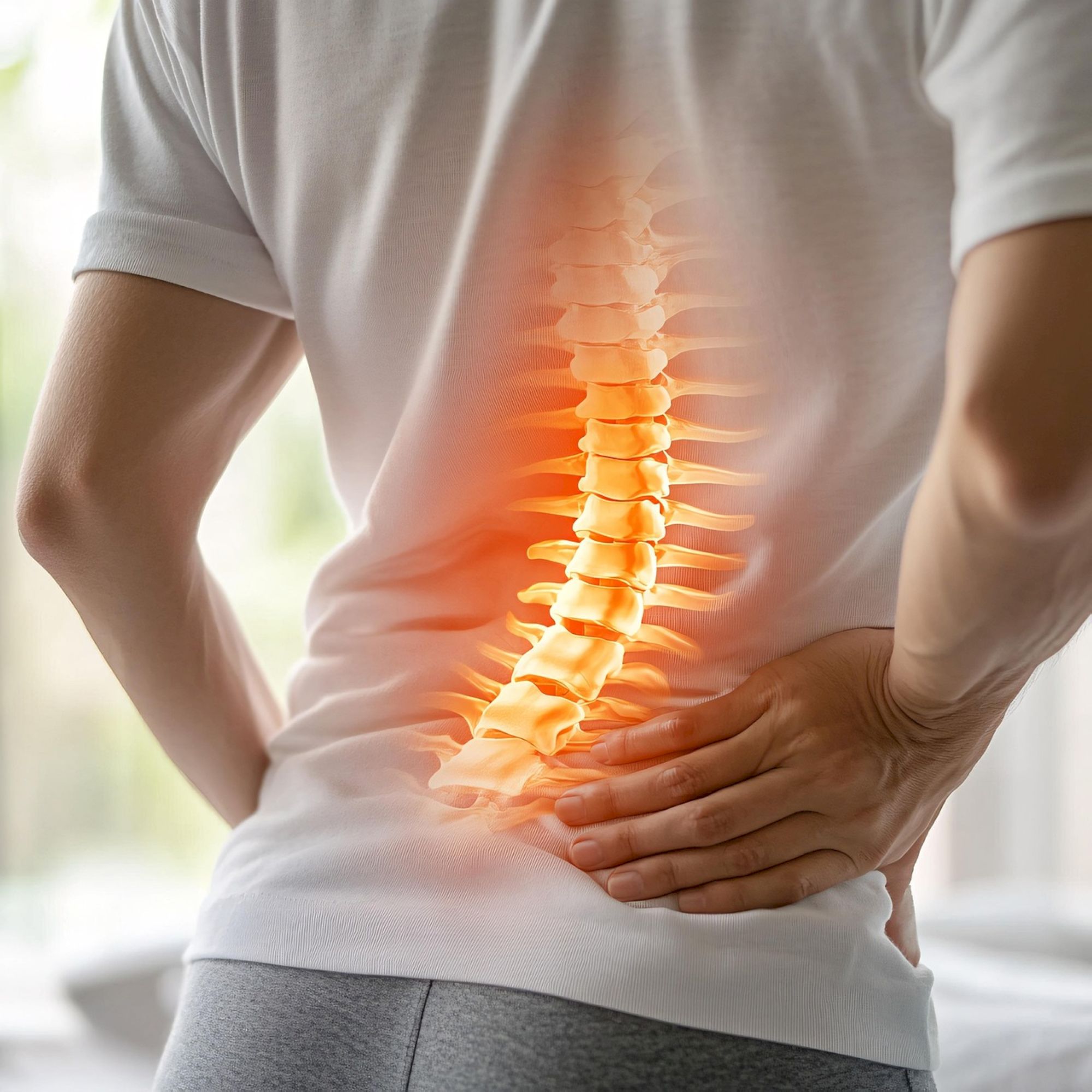

Lower back pain is one of the most common health complaints worldwide, affecting people of all ages and lifestyles.
What many don’t realize, however, is just how many different structures in the lower back can be responsible for that discomfort.
In many cases, more than one structure is involved, making it challenging to focus on pain relief alone.
Effective care requires a broader, more integrated understanding of how the body functions—beyond just symptom management.
🔍Anatomy of the Lower Back: More Than Just Muscles
The lower back—also known as the lumbar spine—is a complex structure made up of bones, joints, muscles, discs, nerves, and
even nearby organs. When pain appears in this area, it may originate from one or several of these structures, which can make accurate diagnosis difficult.
Here’s a breakdown of the key contributors:
💪Musculoskeletal Structures
These are often the most commonly blamed sources of lower back pain:
Muscles – Tight or strained muscles like the erector spinae, quadratus lumborum,or psoas can cause pain and restrict movement.
Ligaments & Tendons – These supportive tissues may become inflamed or overstretched due to stress or injury.
Fascia – The thoracolumbar fascia, a deep connective tissue, is highly sensitive and often overlooked.
Spinal Bones – The lumbar vertebrae (L1–L5) may be affected by fractures, misalignments, or arthritis.
Facet Joints – Small joints between vertebrae that can become stiff, inflamed, or degenerative.
Sacroiliac (SI) Joints – Located between the spine and pelvis, SI joint dysfunction is a common pain generator.
🧠Neurological Structures
Nerve-related pain is often sharp, burning, or radiating:
Spinal Cord & Nerve Roots – Compression or irritation (especially at L4–S1)
can result in sciatica, numbness, or tingling.
Peripheral Nerves – Nerves such as the sciatic or femoral may be impacted,
causing pain that travels into the hips or legs.
🌀 Intervertebral Discs
The discs between each vertebra act as shock absorbers and are common pain sources:
Disc Bulge or Herniation – When the disc’s inner material presses out and irritates nerves.
Degenerative Disc Disease – Age or injury-related wear and tear that leads to instability and inflammation.
Vascular Structures
Though less common, vascular issues can also be a cause of back pain:
Abdominal Aorta & Iliac Arteries – Conditions like aneurysms or vascular compression can refer pain to the lower back.
⚠ Referred Pain from Internal Organs
Not all back pain originates from the spine:
Kidneys – Infections or stones can radiate pain to the mid or lower back.
Bladder or Reproductive Organs – Conditions affecting the uterus, ovaries,or prostate can mimic spinal pain.
Colon or Digestive Tract – Issues like constipation or gut inflammation may also cause referred pain.
🔄Other Sources
Skin – Shingles or skin infections can cause burning, nerve-like pain.
Postural Imbalances – Long-standing poor posture or spinal curvature can overstress back structures.
Myofascial Trigger Points – Muscle knots and fascial tension can produce referred pain throughout the back and hips.
✅ Summary: Over 20 Possible Pain Generators
The lower back is a highly integrated and multifunctional region, meaning pain can stem from:
Muscles
Joints
Discs
Nerves
Organs
Vascular tissue
Connective tissue
In many cases, more than one structure may be contributing to your discomfort. This is why simply chasing pain relief often leads to minimal short-term results and frustration.
Long lasting resolution requires a comprehensive understanding of how these systems interact— and where the true breakdown (subluxation) is occurring.
A professional assessment is crucial—not just to treat the symptoms, but to uncover the root cause.
📍Need Help Understanding Your Back Pain?
Book a Neurological Chiropractic Functional Evaluation that includes:
Postural and movement analysis
Neurological screening
Musculoskeletal palpation
Referral for imaging (if necessary)
Don’t settle for temporary relief. Let’s find and fix the real issue so you can return to living with confidence, strength, and ease.
#ChiropracticWorks #BackPainRelief #FunctionalHealth #SpinalHealth
© 2019. Aspire Happyness Chiropractic.
All rights reserved. Privacy policy



Website designed, developed & maintained by BahatiGroup