Ease of Movement: Creating a Joyful, Sustainable Exercise Routine
Image
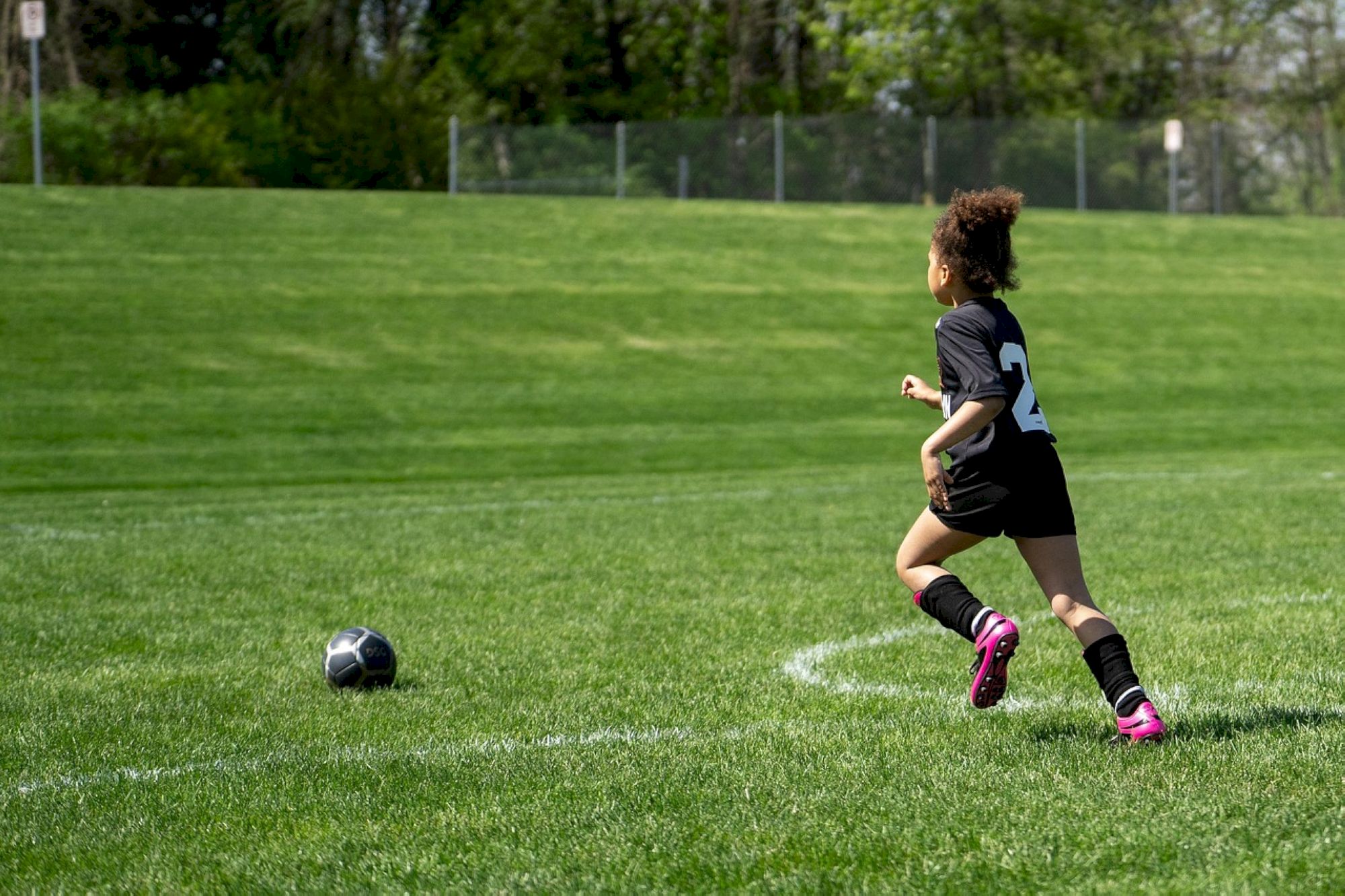

For many people, exercise can feel like a dreaded word. But what if movement didn’t have to be a chore? What if it could be something you actually look forward to?
The key to a sustainable and successful movement routine is simple: you must enjoy it.
Think back to childhood—movement came easily. Kids run, jump, dance, and play all day without thinking “I need to exercise.” It’s fun, it’s effortless, and it’s done without guilt or obligation. Somewhere along the way, many of us lost that natural connection with joyful movement.
The good news? We can get it back.
To create a truly effective and fulfilling movement program, consider these five essentials components:
Flexibility refers to the ability of your muscles and joints to move freely through their full range of motion. Improved flexibility reduces the risk of injury, enhances posture, and supports pain-free movement in daily life.
Strength training builds muscle, supports joint health, and improves metabolic rate. It doesn’t have to involve lifting weights—bodyweight exercises, resistance bands, or functional movements can all build strength in an enjoyable way.
Cardiovascular fitness refers to how efficiently your heart, lungs, and muscles work together during physical activity. It improves stamina, energy levels, and heart health. Walking, swimming, dancing, and biking are all great options.
Often overlooked, this trio is crucial for graceful aging. Activities that challenge your balance and coordination stimulate the nervous system, enhance brain-body communication, and help reduce the risk of falls. As we age, neuroplasticity (the brain’s ability to adapt) can be preserved and strengthened through mindful movement practices like yoga, tai chi, balance drills, and functional movement training. These practices support not only physical stability but also cognitive function and motor control.
Perhaps the most important component of all: joy. If you don’t enjoy the activity, you won’t keep doing it. Whether it’s dancing in your kitchen, hiking in nature, or joining a group class—choose what makes you smile.
Ask yourself:
• What type of movement brings me joy?
• How much time do I realistically have each day or week?
• Can I be creative in how I fit movement into my lifestyle?
This is your starting point. Once you find the fun, motivation becomes effortless.
Your personal goals might include:
• Breathing more easily during the day
• Climbing stairs without feeling winded
• Losing weight or toning your body
• Improving balance, coordination, and confidence
• Feeling strong, agile, and energized
Let enjoyment lead the way. Start slowly, stay consistent, and build your program by layering in flexibility, strength, cardiovascular fitness, and coordination training as needed.
Movement isn’t just about burning calories or chasing aesthetics. It’s about keeping your nervous system sharp, your body mobile, and your mind joyful.
By reconnecting with movement that feels good—physically and emotionally—you’re investing in lifelong vitality and graceful aging.
Happy moving!
© 2019. Aspire Happyness Chiropractic.
All rights reserved. Privacy policy



Website designed, developed & maintained by BahatiGroup